
Arts
What you need to know about new child car seat standards coming Dec. 5
By Sharon Lee
Advertisement · Why this ad?
Gregory is a political science graduate from the University of Alabama who transitioned from working at local radio stations to print journalism. With over 6 years of experience covering local government and community affairs, he gives a voice to underrepresented issues in local policy.
More from Gregory →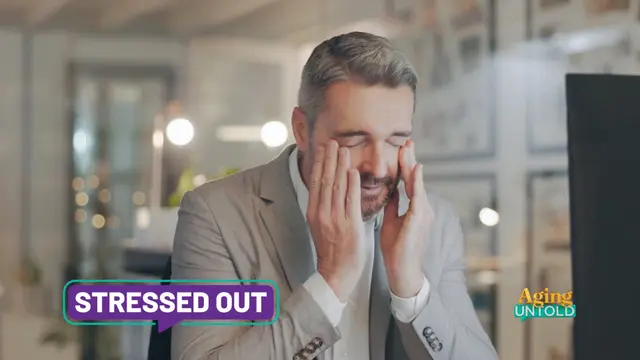
Share Add Us On Google Add as a preferred source on Google ( Aging Untold ) — For many people, stress feels like a bigger part of everyday life. When stress becomes chronic, it can bring physical effects. According to the American Psychological Association, most Americans say their stress has increased, and about 75% report physical or emotional symptoms as a result. We are sharing what people can do about it when stress becomes chronic. When normal stress crosses the line Dr. Rhea Rogers, a board-certified physician, said the stress response itself is normal. “If you have a tiger running at you, you’re going to run,” Rogers said. “You have to have that response so you can stay focused.” However, stress becomes chronic “when you can’t turn it off.” “But you can’t run from the tiger all day long,” she said. How chronic stress shows up in the body Rogers said physical effects of chronic stress can include a faster heart rate and higher blood pressure. “Immune system takes a hit,” she said. Rogers said many people now deal with ongoing stressors because of multitasking. When it lingers, there can be detrimental effects, she said. “It’s a constant influx of information and interaction where there’s not any downtime,” gerontologist “Sam” Cradduck said, adding that adrenaline and cortisol levels stay high as a result. Rogers said children are affected too. “We’re also seeing a greater increase of stress-related diseases happening in younger people,” Cradduck said. Rogers said the body doesn’t know the difference between the types of stress. If a person’s gut is off or insulin is high, Rogers said, the body reacts the same way and cortisol increases. Cortisol is the body’s primary stress hormone, according to Mayo Clinic. Rogers said swelling and fluid retention can also be signs that the body is under stress. For menopausal women who have good control with hormones, Rogers said, hot flashes returning can be the “number one” sign that stress is present. Why a break matters Aging expert Amy O’Rourke shared a personal story about stress. Her mother was sick and dying, and there was no end in sight. Friends convinced her to leave for a trip to Chicago and visit museums. “I didn’t want to go. It just felt so wrong and bad,” O’Rourke said. “I went and then I went back to see her, and I felt like a totally different person.” You might not think you need a break, but go ahead and take it, she said. “Go for a walk. Get a good night’s sleep. Do something that brings you joy or comfort or happiness, because it really will offset the stress that you’re under,” O’Rourke said. Quick ways to calm the body The goal is to activate the parasympathetic nervous system, Rogers said, which she described as the “rest and digest” state, rather than the fight-or-flight response of the sympathetic nervous system. Rogers and O’Rourke listed several options: Box breathing: Inhale for four seconds, hold for four seconds, exhale for four seconds, hold for four seconds Mudra Humming, singing and gargling, which Rogers said activate the vagus nerve Alternating nostril breathing “It’s a very quick way to drop your stress,” Rogers said of activating the vagus nerve. Cradduck also suggested a release. “Go sit in your car and roll up your windows and scream.” Cradduck said family caregivers may not be able to step away for a museum visit. “Sometimes they’re in that so deeply that they can’t,” Cradduck said. For them, she recommended box breathing, centering, “anything that can allow your body to have that release.” O’Rourke said that when a client starts crying and stops out of embarrassment, she tells them to let it go. “I know how much relief they’re going to get from just sitting there and sobbing,” she said. The experts also shared the SEEDS method: S leep E xercise E ngagement D iet Active S tress Management Key takeaways Do not normalize high stress. “What your mind suppresses, your body expresses,” Rogers says. Ignoring stress will not stop it from physically damaging the heart, brain and immune system. SEEDS method: Sleep, exercise, engagement, diet, active stress management This program is provided for educational and informational purposes only and does not constitute providing medical advice or professional services. The information provided should not be used for diagnosing or treating a health problem or disease, and those seeking personal medical advice should consult with a licensed physician. Always seek the advice of your doctor or other qualified health provider regarding a medical condition. Never disregard professional medical advice or delay in seeking it because of something you have seen on this program. If you think you may have a medical emergency, call 911 or go to the nearest emergency room immediately. No physician-patient relationship is created by this program or its use. Aging Untold/Gray Media, nor its employees, contractors or agents, nor any contributor to this program, makes any representations, express or implied, with respect to the information provided herein or to its use. Copyright 2026 Gray Media Group, Inc. All Rights Reserved.
By Sharon Lee

By Linda Choi

By Gregory Patel

By Sharon Lee